

💡Gen Z’s Playbook: How the Next Generation Is Rewriting the Rules of Retail
Insights and Surprises from the Classroom – How Today’s Students and Emerging Leaders Are Quietly Changing the Game


Last week, we explored Gen Z’s visions for the future of retail - a look forward from students in a college-level retail course, imagining the next ten or twenty years of commerce. This week, the lens shifts. What are today’s students and emerging leaders revealing about the present? The answers aren’t always loud or obvious. Sometimes, they’re found in hesitation, in new priorities, or in the way a question gets asked. Sometimes, what’s most interesting is what students don’t buy, don’t rush toward, or simply leave undecided. In a world with no fixed playbook, Gen Z is quietly rewriting the rules of retail, one intentional (or sometimes accidental) choice at a time.
Opportunity in Uncertainty: Gen Z’s Approach to Retail & Life
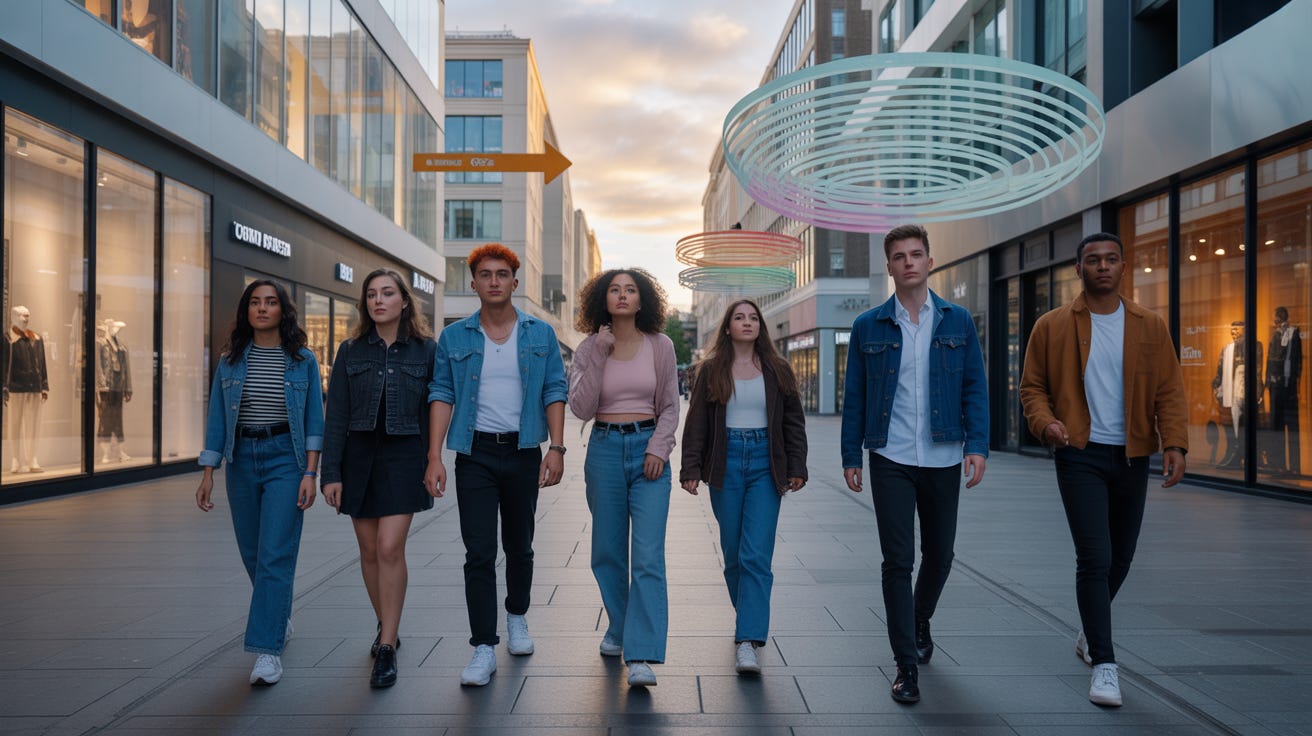
Gen Z is coming of age in a world where the pace of change can make anyone’s head spin. While older generations might see this as indecision or a lack of direction, what’s actually unfolding is a new comfort with uncertainty - and an evolving set of priorities.
It’s not that Gen Z isn’t anxious about the future; many students say so themselves. There is uncertainty. Most don’t have it figured out, and anxiety is part of the equation. But their choices, both as shoppers and as emerging professionals, seem a bit more deliberate and perhaps have a chance to stick - not just be part of “growing up.” This generation pauses before jumping in, is less afraid to admit what they don’t know, and sometimes waits to see how a situation develops before acting.
A willingness to wait—to pause, to observe, to challenge the “must have it now” message - is not indecision. It’s the emergence of a new kind of agency and self-awareness. As one student put it, the course made them “a more engaged shopper,” someone who now looks for “the ‘why’ behind marketing campaigns and merchandising decisions.”
What may look like indecision is, in reality, a subtle but powerful rejection of the instant gratification and status-chasing that shaped the retail habits of previous generations. This pause, this willingness to wait and weigh, signals an evolving approach to consumption - and possibly, the beginning of a fundamental shift in how commerce operates.
Beyond Digital Natives: Gen Z’s Demand for Authentic Human Engagement
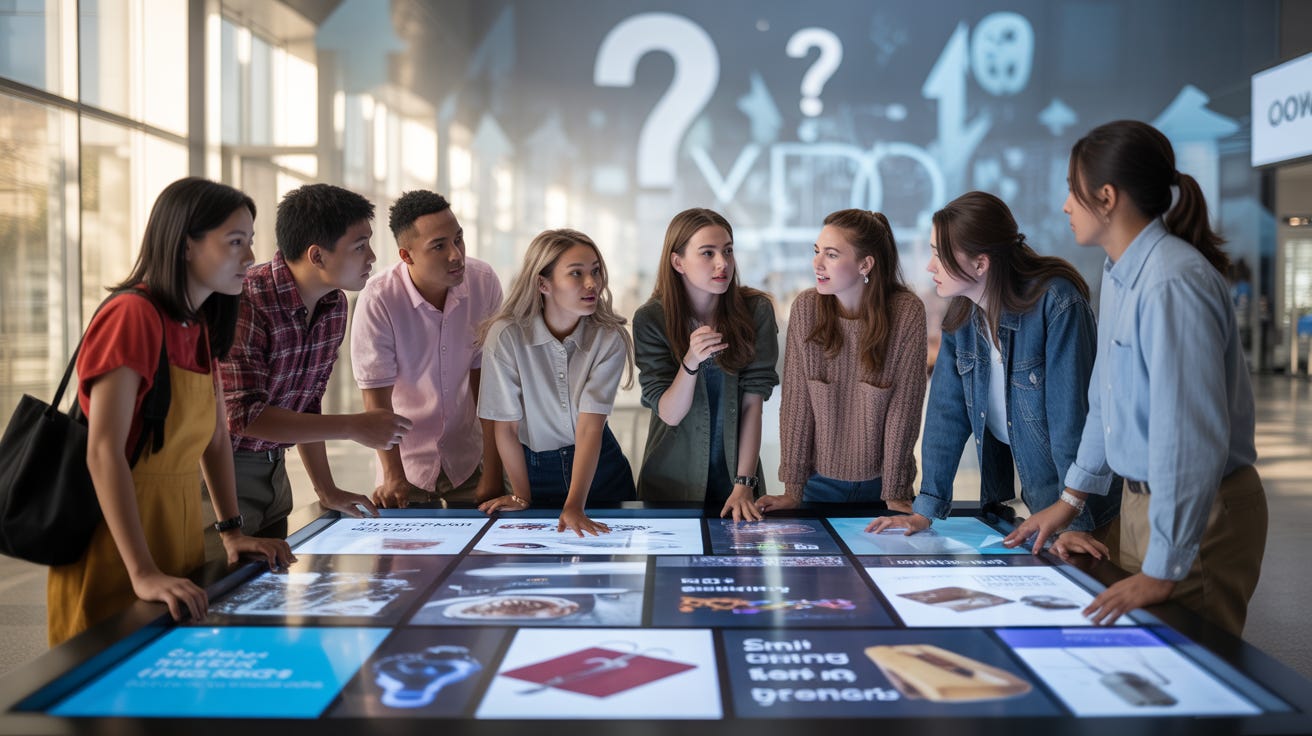
Millennials may have grown up alongside the rise of the internet, but Gen Z has never known a world without mobile-first connectivity and constant digital presence. Yet, despite their technical fluency, these students are hungry for more than just seamless technology. What stands out in their reflections is a consistent call for retailers to balance innovation with authenticity, and to keep human connection at the core of the experience.
One student explained, “Retail is not just about selling products, but about understanding what the customer wants, or doesn’t yet know they want, and delivering that through a seamless experience... The most effective retailers find a balance between technology and the human touch.” Another observed that, “While e-commerce and technology create convenience, physical stores offer a unique opportunity to enhance human connection.”
There’s a clear demand: students notice and reward retailers who use technology to enhance the customer experience, not to replace the people who make shopping feel meaningful. Authentic engagement isn’t nostalgia; it’s an expectation, and it is influencing loyalty in ways that tech alone cannot.
Smarter, Not More: Financial Savvy & the Quiet Consumer Revolution
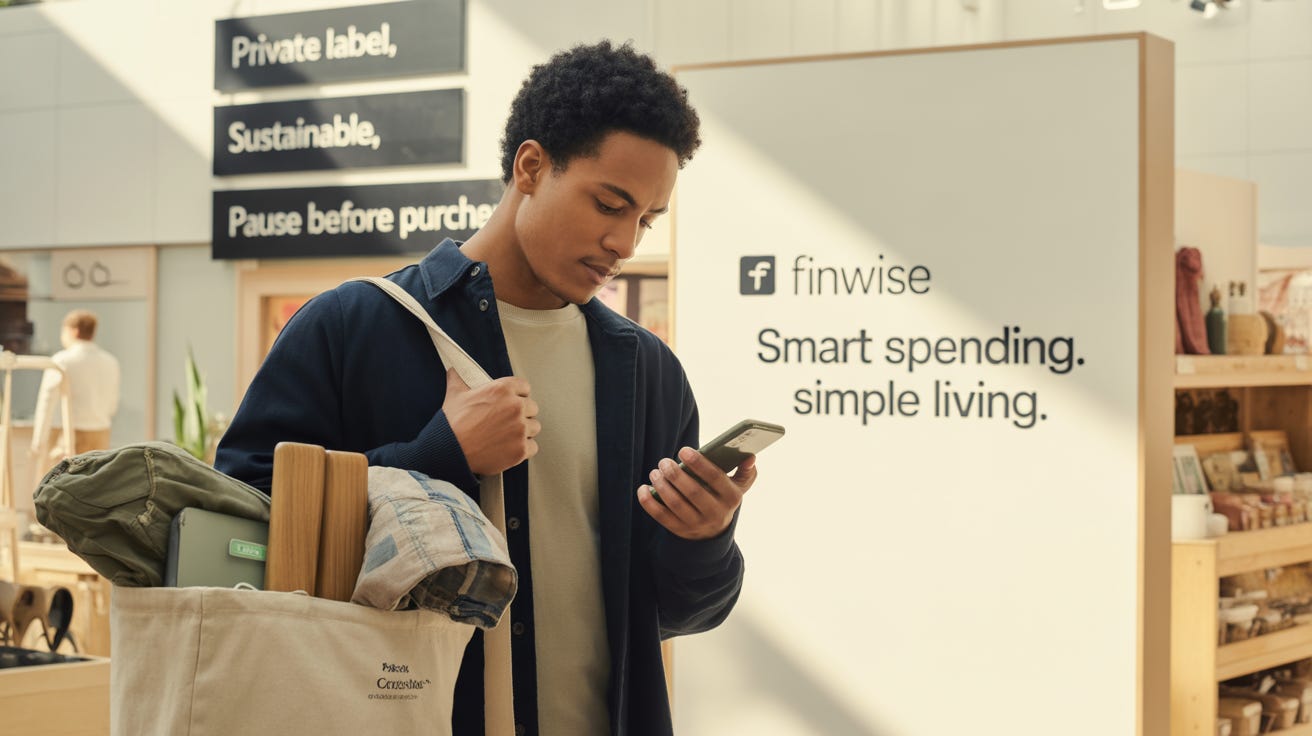
One of the most striking signals in the current landscape comes from Bank of America’s July 2025 study, which found that more than 70% of Gen Z are actively working to improve their finances. This insight resonates in the classroom - not just in dramatic gestures, but in small, everyday choices that add up to something much bigger.
Impulse buying hasn’t disappeared, but FOMO - the fear of missing out - is no longer the dominant force. As one student shared, “I’m more likely to compare options, or wait to see if I really want it.” There is an openness to alternatives, such as secondhand goods, private brands, or even simply going without. Another student observed, “…another thing that might change is overconsumption in retail; this is because a lot of the younger generations are more eco-friendly and care about the planet.”
Gen Z isn’t a monolith. There are different motivations, segments, and backgrounds at play. But the trendline is clear: less about accumulation, more about intention. Mindful consumption is on the rise, driven by both necessity and choice - and the implications for retailers and brands are profound.
Retail as Real-World Education (For All)
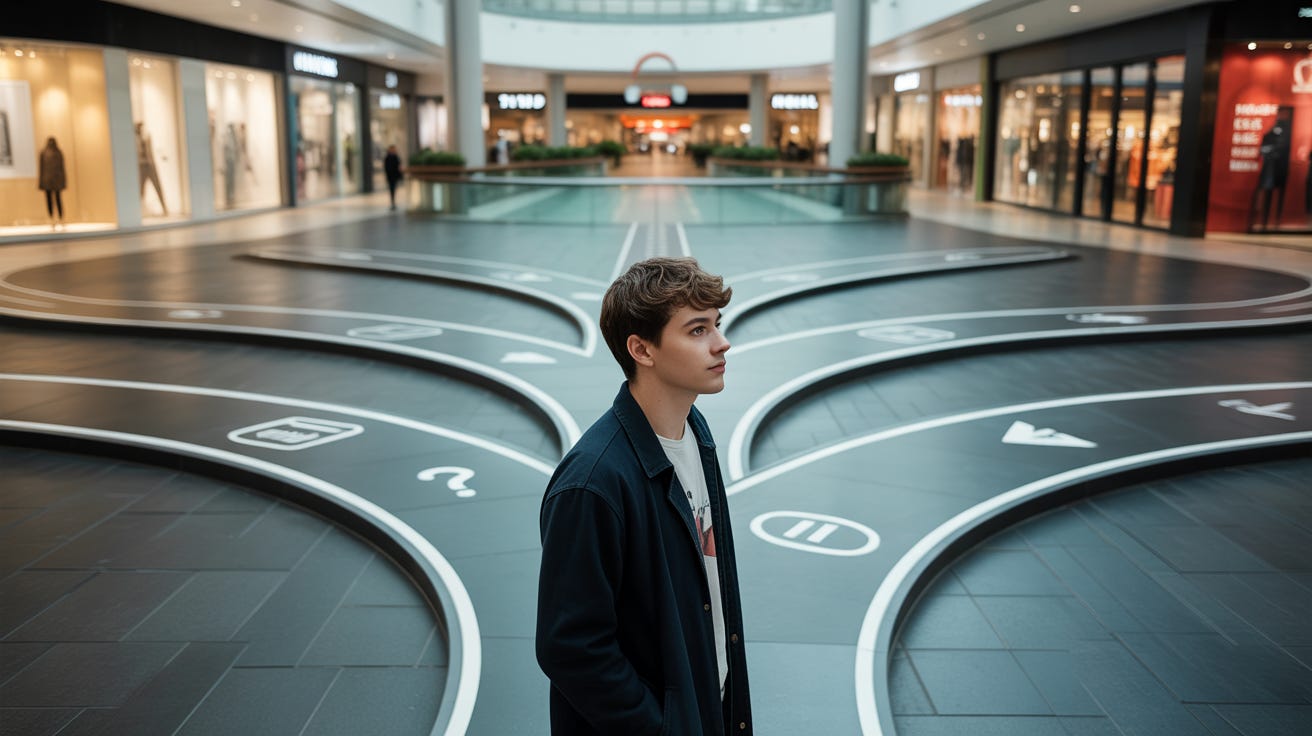
For many, retail isn’t a chosen career, but a crash course in life and business. Even those with no plans to manage a store, develop a product line, or join the industry find themselves rethinking what it means to be a consumer. As one student explained, retailers need to “spot pain points, optimize touchpoints, and create moments of delight that build loyalty. It also helps (if) departments break out of silos and align around a shared vision for the customer experience.”
What started as abstract concepts - store layout, product placement, pricing - quickly became tools for questioning, reflection, and even resistance. Retail becomes less about routine buying, and more about understanding the why behind each choice.
Another student summed it up well: “The customer’s experience is a retailer’s success... Emotional connections with customers and creating memorable experiences often lead to stronger loyalty and higher sales. This insight made me think differently about how I approach my professional career.”
Even when these students aren’t making perfectly intentional decisions, they’re starting to notice - and that awareness could have a lasting impact on their buying habits for years to come.
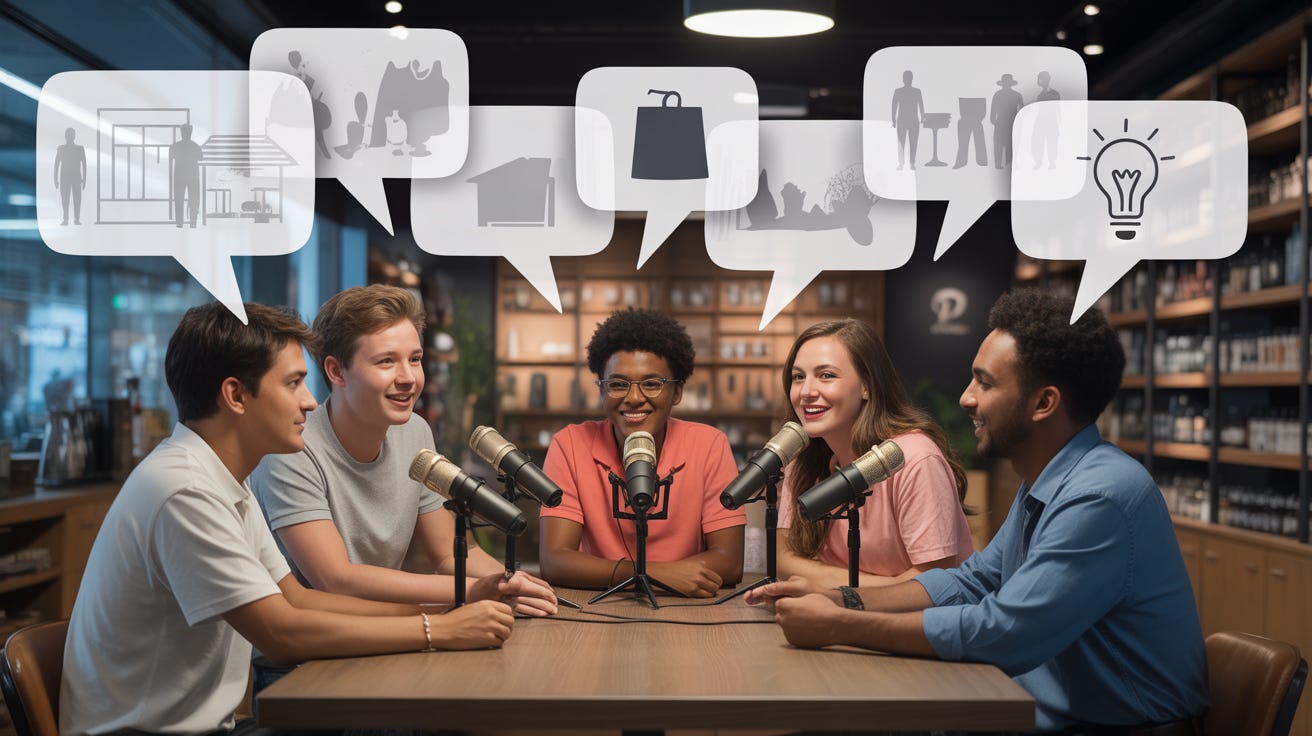
The Power of Many Voices: Podcast Insights & Multiperspective Learning
A defining element of the classroom this term was the weekly podcast lineup. Instead of relying on a single expert or textbook, students heard from founders, strategists, legacy brand leaders, and frontline practitioners - each with their own story. As one student wrote, “The podcast interviews provided perspectives from professionals working in the industry, which helped bridge the gap between class and real life... They added an engaging part to the learning experience.”
For some, the podcast became a bridge between theory and reality. Another student reflected, “The Retail Relates podcasts were one of the most helpful elements because they offered real-world insights in an accessible, conversational format.”
This diversity of voices didn’t just round out the curriculum - it challenged students to see retail not as a single story, but as an ever-evolving ecosystem of ideas, innovations, and experiences. It also encouraged them not simply to echo what’s found in a textbook or repeat the teachings of an instructor, but to embrace different perspectives and develop their own points of view.
The Web Turns 34: Digital Creativity & Skepticism
With the World Wide Web marking its 34th year, Gen Z stands apart not just as digital natives, but as digital skeptics and creators. They use social media and peer networks not just for entertainment or shopping, but as powerful tools for research and discernment. As one student noted, “Retail and e-commerce have changed into dynamic, data-driven, customer-focused industries... Technology should be an integrated instrument that promotes human service and simplicity rather than a flashy add-on.”
Another explained, “The omnichannel experience should connect the dots between physical and digital retail... I see retail not just as a store or a website, but as a fully integrated ecosystem.”
This generation expects brands to be transparent, accessible, and real - and they’re quick to spot (and reject) anything that feels forced or inauthentic. They’re willing to try new platforms, explore peer recommendations, and adopt emerging channels - but only if it feels genuine and aligns with their own values.
What Gen Z Is Teaching Us
This is just one class, one semester, a set of reflections, a handful of podcasts, and a couple of timely articles - including Bank of America’s insights on financial discipline. Still, the direction is clear. Gen Z is changing the rules - not loudly, but steadily - by pausing, questioning, and choosing carefully, sometimes even by not choosing at all.
Retailers and brands would be wise to pay attention. Agency, discernment, and skepticism are replacing automatic loyalty and routine consumption. The next era of retail isn’t being written by any single voice or trend, but by a generation learning in real time, and in full view.
 | A guest post by
|
This post is spot on!
"There’s a clear demand: students notice and reward retailers who use technology to enhance the customer experience, not to replace the people who make shopping feel meaningful. Authentic engagement isn’t nostalgia; it’s an expectation, and it is influencing loyalty in ways that tech alone cannot."
EXACTLY!