


At 10 a.m., the store lights are on. Shelves are faced. Deliveries appear seamless. The coffee is hot, the parcel is on the porch, the menu item is available.
It feels immediate.
Yet commerce rarely begins when the doors open. Much of it unfolds hours earlier - on loading docks before sunrise, in warehouse aisles under fluorescent light, in refrigerated trucks moving quietly along highways while cities sleep.
What appears effortless in daylight is the result of labor deliberately scheduled outside the customer’s view.
🧵 Where Did It Begin?
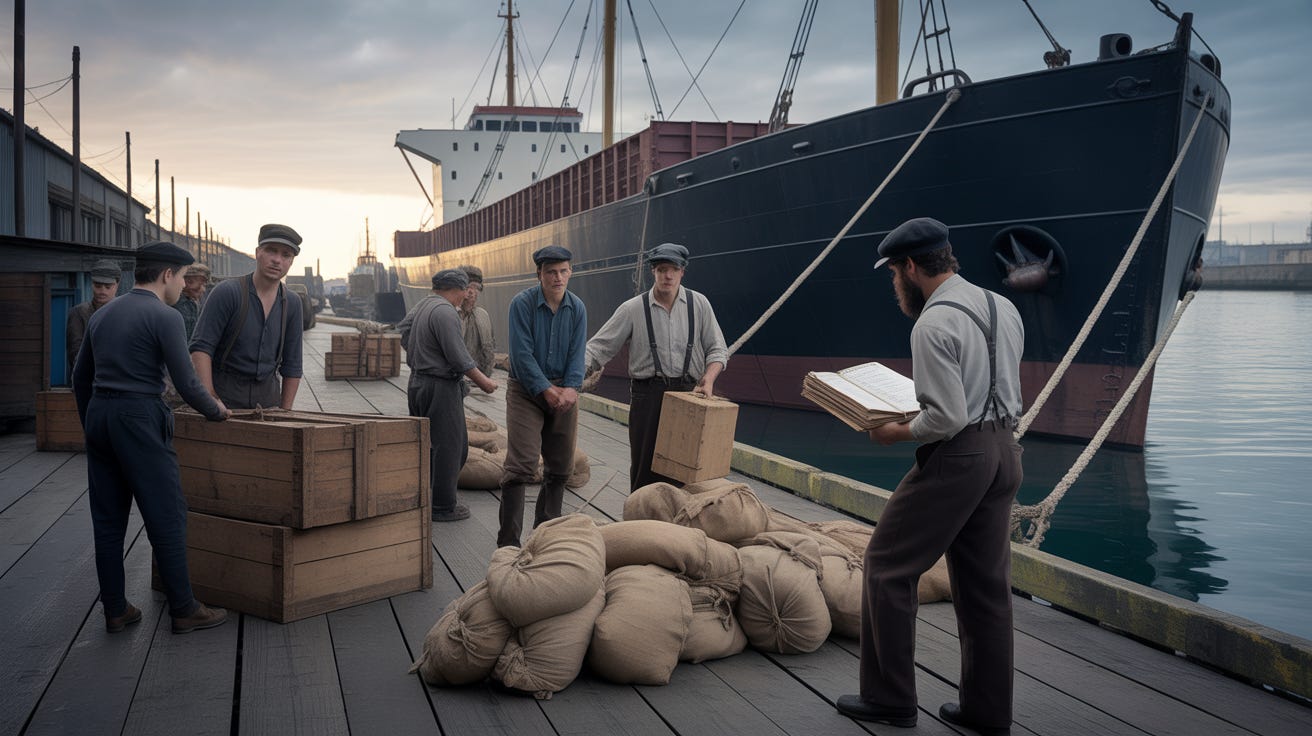
In late 19th-century port cities such as London, Liverpool, and New York, dockworkers unloaded ships according to tides and transport schedules rather than shop hours. Crates of textiles, tea, and manufactured goods moved from vessel to warehouse at dawn and dusk. The rhythm of trade followed logistics, not storefronts.
By the early 20th century, department stores formalized this separation. Customers encountered polished counters and attentive clerks by day, while stock crews worked before opening and after closing. Deliveries were received in back alleys. Inventory was counted in stockrooms far from the sales floor. Preparation and presentation became distinct disciplines.
Why the early model worked
Temporal layering protected revenue hours. Preparation moved off-peak so peak time focused on selling.
Spatial separation preserved experience. Logistics stayed behind walls; the storefront remained composed.
Specialization improved scale. Different labor pools handled movement, staging, and selling.
💡 Why Did It Matter?
Separating preparation from presentation reshaped retail. It allowed stores to appear orderly, abundant, and effortless while shifting the intensity of logistics to different hours and spaces. As commerce expanded, the customer’s experience became increasingly detached from the labor required to sustain it.
🔄 How Did It Evolve?
Industrial era - Dock and rail cadence
Goods moved by ship and train, and labor followed transport schedules. Work occurred when cargo arrived, not when stores opened.
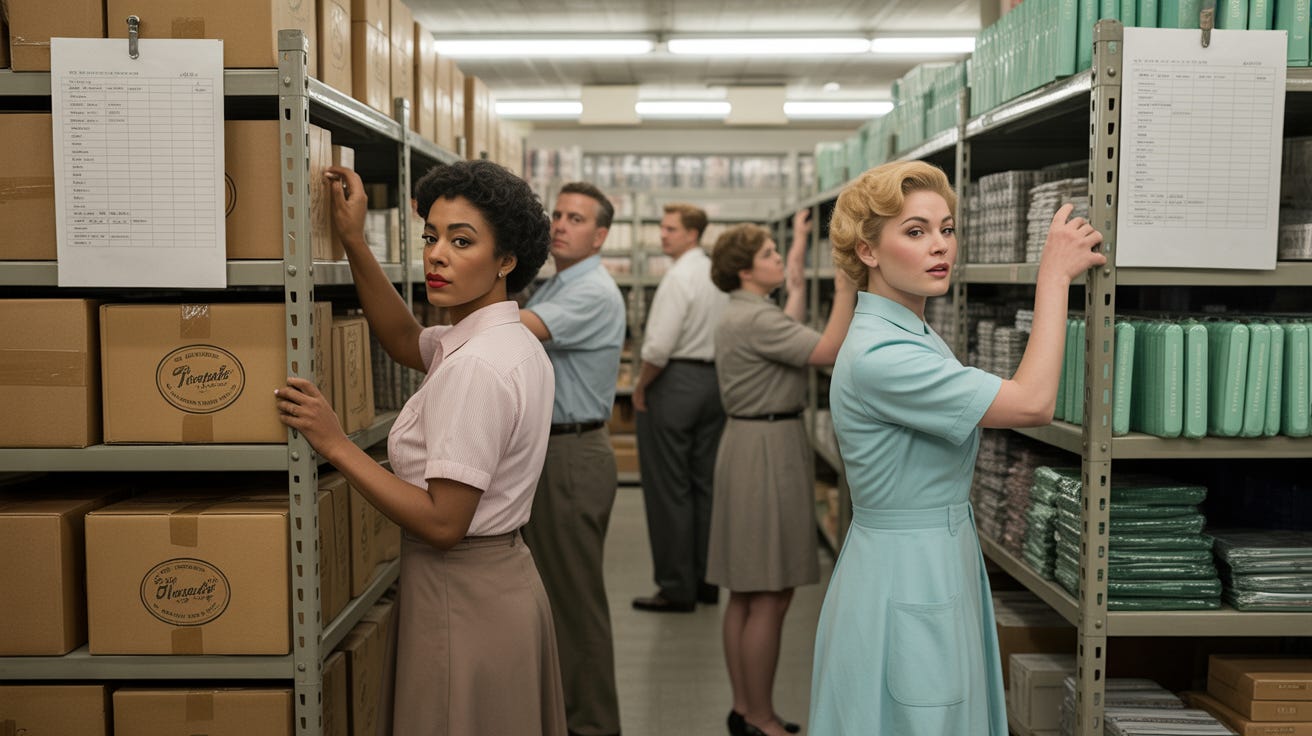
Mid-20th century - The backroom system
Supermarkets and department stores institutionalized overnight stocking and receiving crews. Selling and preparation became synchronized but separate operations.
Late 20th century - Distribution networks
Centralized warehouses and barcode systems tightened coordination across regions. Just-in-time inventory increased precision while deepening reliance on invisible labor.
Platform era - The fulfillment economy
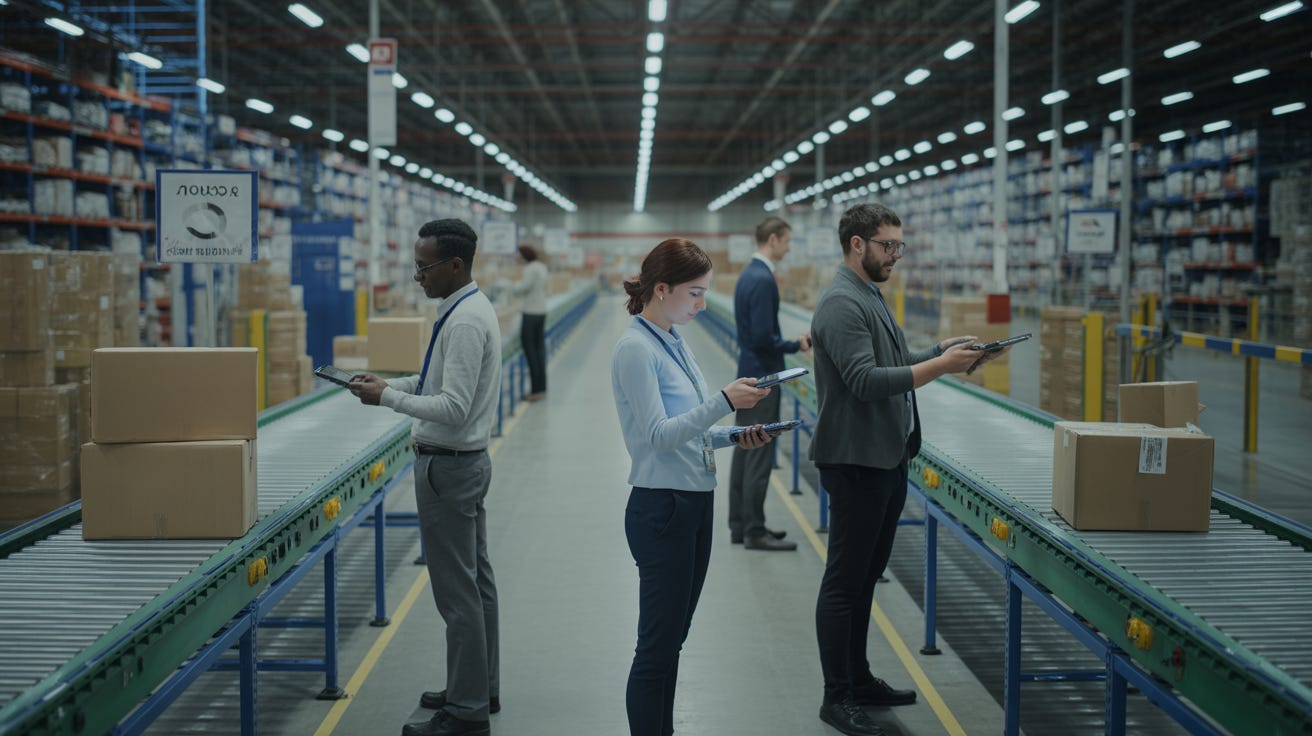
Warehouse pickers assemble online orders overnight. Sorting hubs route parcels before sunrise. Delivery drivers begin routes before many customers wake. Commerce operates in continuous rotation.
🌗 The Double Edge
The invisible shift enables reliability. Stores open fully stocked. Packages arrive quickly. Supply chains respond with precision. For many workers, night shifts and off-peak roles provide schedule flexibility or supplemental income that fits around other responsibilities.
Yet invisibility also creates distance. The dockworker, overnight stocker, and warehouse picker rarely appear in the customer’s experience. As expectations for speed rise, pressure on these hidden layers increases. Convenience is visible. Preparation is not.
🌟 The Echo Today
We see the invisible shift in airport cargo terminals lit before dawn, grocery crews resetting shelves at midnight, and fulfillment centers processing orders while cities sleep. Tracking notifications update at 3:12 a.m. because someone was working at 3:11.
The store may open at ten, but commerce began long before sunrise.
🕰️ Echoes of Commerce