🏷️ The Store Directory: When Wayfinding Became an Experience
From hand-drawn floor plans to AI-powered navigation, helping shoppers find their way has always been a retail art form.

“Where am I?”
It’s a question as old as the bazaar. Yet in retail, finding your way wasn’t always part of the experience.
The rise of the store directory - from simple signs to interactive kiosks and AR apps - transformed retail from a hunt-and-peck exercise to a guided journey, turning confusion into opportunity.
As department stores swelled to city-block size in the early 20th century, and postwar malls sprawled across suburbs, orientation became a challenge and an experience in itself. Retailers realized that the way customers moved - their path, their pause points, even their detours - was as influential as what they sold.


🗺️ Where Did It Begin?
Early directories were simple:
Hand-lettered signs above departments or hand-drawn maps at the front entrance (“Gloves—Second Floor, East Wing”).
Floorwalkers served as living guides, escorting customers and offering directions.
But the real breakthrough came with the advent of the shopping mall in the 1950s and 60s:
Multi-tenant complexes required clear, central directories - first static wall maps, later illuminated and color-coded.
Directory maps became design elements, welcoming shoppers with “You Are Here” stars and stylized layouts.
A surprising detail:
Some 1960s malls employed “hostesses” with walkie-talkies and portable maps - early versions of today’s mobile concierges.
💡 Why Did It Matter?
The store directory did more than direct traffic:
Empowerment: Shoppers could plan visits, compare options, and explore with confidence - independent of staff.
Discovery: Strategic placement of directories encouraged shoppers to wander, notice new stores, and extend their stay.
Branding: Stylish or playful directory designs reflected the mall or store’s identity, becoming photo backdrops and icons in themselves.
An unspoken rule: A confusing mall was a short visit; a clear map encouraged browsing and bigger baskets.
🔄 How Did It Evolve?
As technology advanced, so did wayfinding:
1970s–80s: Touchscreen and “push-button” directories in upscale malls let users find stores by name or category.
1990s–2000s: Digital kiosks offered interactive directions, and department stores like Harrods and Macy’s developed in-house navigation systems.
Present day:
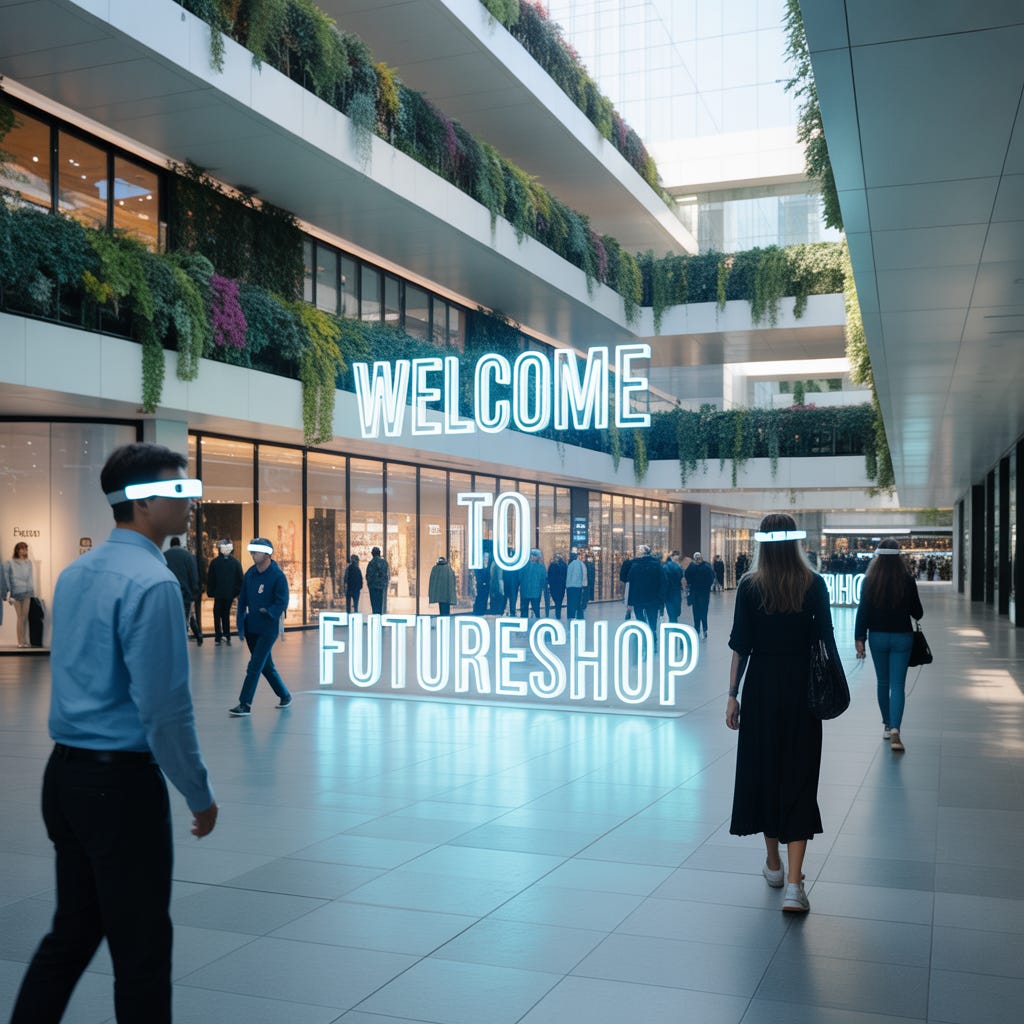
Mobile apps deliver step-by-step indoor navigation, highlight promotions along your route, and even alert staff to customer location.
AR overlays help shoppers visualize a path through vast spaces, and smart carts sync with personalized lists.
Today, retailers use wayfinding as a subtle sales driver - placing pop-ups and featured displays along “main arteries,” just as city planners shape foot traffic.
🌟 The Echo Today
Navigation is now both art and science:
Grocery chains use in-app mapping to highlight deals and help shoppers find products faster.
Flagship stores, like Nike or Apple, offer “guided journeys,” blending digital cues and human hosts to create curated discovery.
Malls test voice assistants and real-time crowd analytics, blending hospitality with operational intelligence.
And as “unified commerce” fuses digital and physical, the best stores use wayfinding to turn shopping into an exploration - making every visit a personalized adventure.
🕊️ What’s the Lesson?
The best journeys are guided.
Whether it’s a hand-lettered sign, a smiling concierge, or an AI-powered app, helping people find their way turns a store into a destination - and a map into a memory.
🕰️ Echoes of Commerce